ETHICS
Viewpoints
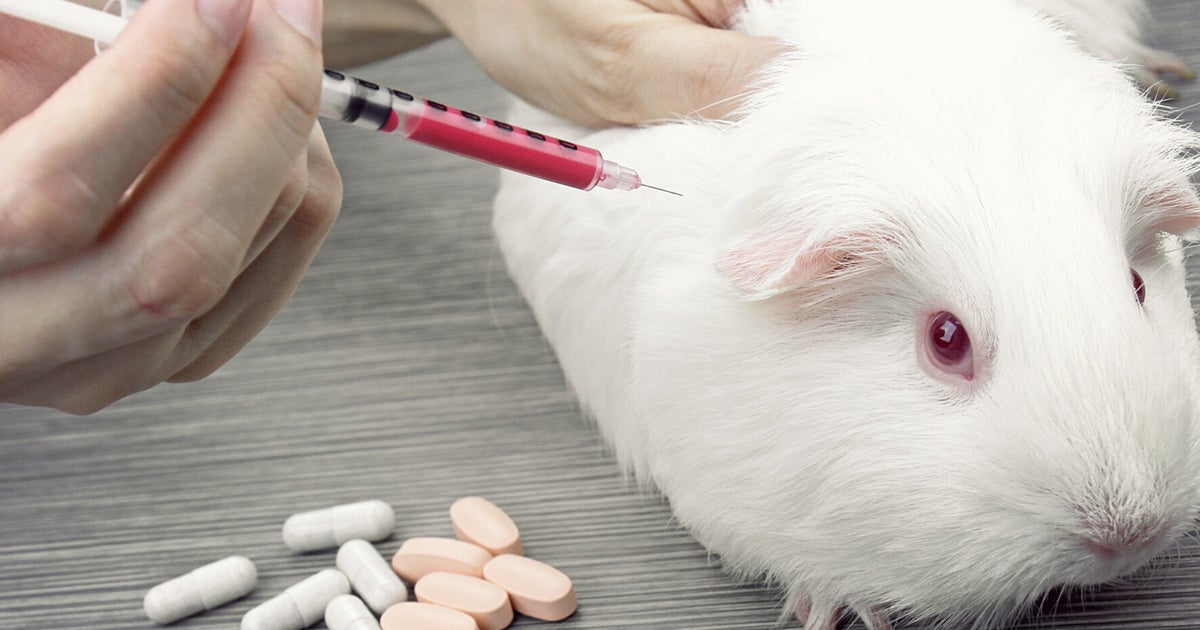
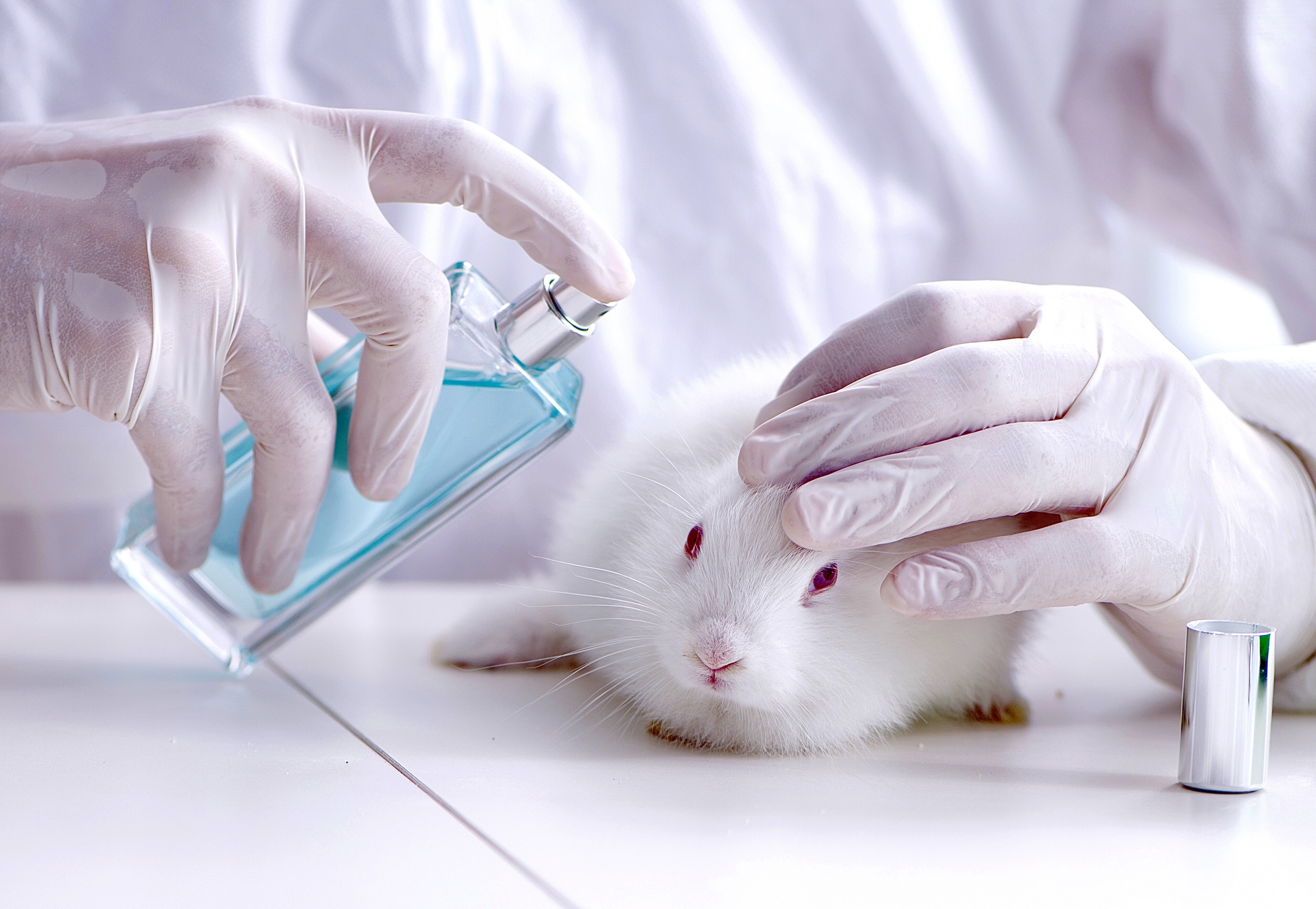
The moral and ethical questions raised by performing experiments on animals are subject to debate, and viewpoints have shifted significantly over the 20th century. There remain disagreements about which procedures are useful for which purposes, as well as disagreements over which ethical principles apply to which species. A 2015 poll found that 67% of Americans were "very concerned" or "somewhat concerned" about animals used in research. A Pew poll taken the same year found 50% of people opposed the use of animals in research. Still, a wide range of viewpoints exist. The view that animals have moral rights is a philosophical position proposed by Tom Regan, among others, who argues that animals are beings with beliefs and desires, and as such are the "subjects of a life" with moral value and therefore moral rights. Regan still sees ethical differences between killing human and non-human animals, and argues that to save the former it is permissible to kill the latter.


Threats to Researcher
Threats of violence to animal researchers are not uncommon. In 2006, a primate researcher at the University of California, Los Angeles (UCLA) shut down the experiments in his lab after threats from animal rights activists. The researcher had received a grant to use 30 macaque monkeys for vision experiments; each monkey was anesthetized for a single physiological experiment lasting up to 120 hours, and then euthanized. The researcher's name, phone number, and address were posted on the website of the Primate Freedom Project. Demonstrations were held in front of his home. A Molotov cocktail was placed on the porch of what was believed to be the home of another UCLA primate researcher; instead, it was accidentally left on the porch of an elderly woman unrelated to the university. The Animal Liberation Front claimed responsibility for the attack. As a result of the campaign, the researcher sent an email to the Primate Freedom Project stating "you win", and "please don't bother my family anymore".



Scientific Criticism
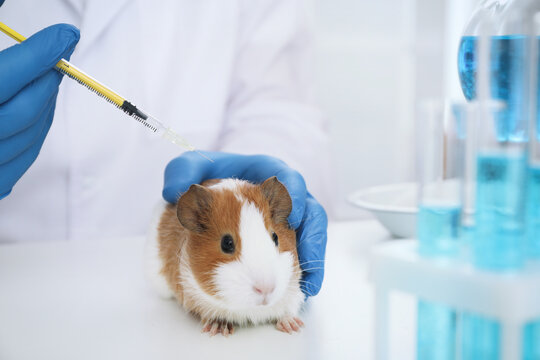
Systematic reviews have pointed out that animal testing often fails to accurately mirror outcomes in humans. For instance, a 2013 review noted that some 100 vaccines have been shown to prevent HIV in animals, yet none of them have worked on humans. Effects seen in animals may not be replicated in humans, and vice versa. Many corticosteroids cause birth defects in animals, but not in humans. Conversely, thalidomide causes serious birth defects in humans, but not in animals. A 2004 paper concluded that much animal research is wasted because systemic reviews are not used, and due to poor methodology. A 2006 review found multiple studies where there were promising results for new drugs in animals, but human clinical studies did not show the same results. The researchers suggested that this might be due to researcher bias, or simply because animal models do not accurately reflect human biology. A 2009 review noted that many animal experiments did not use blinded experiments, a key element of many scientific studies in which researchers are not told about the part of the study they are working on to reduce bias.